Webmail
 EN
EN  PT_BR
PT_BR  ES
ES  FR
FR 






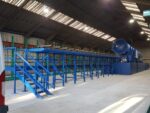

DESCRIPTION
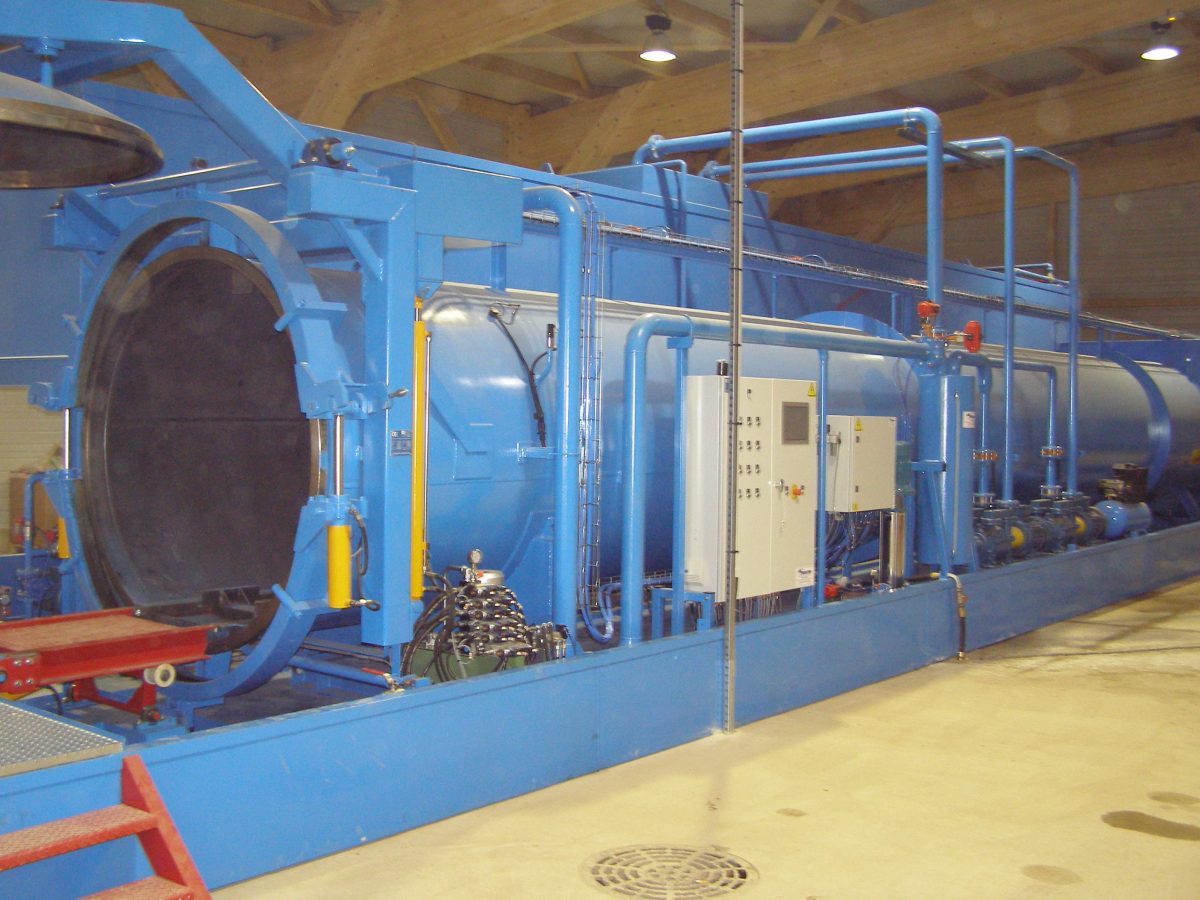
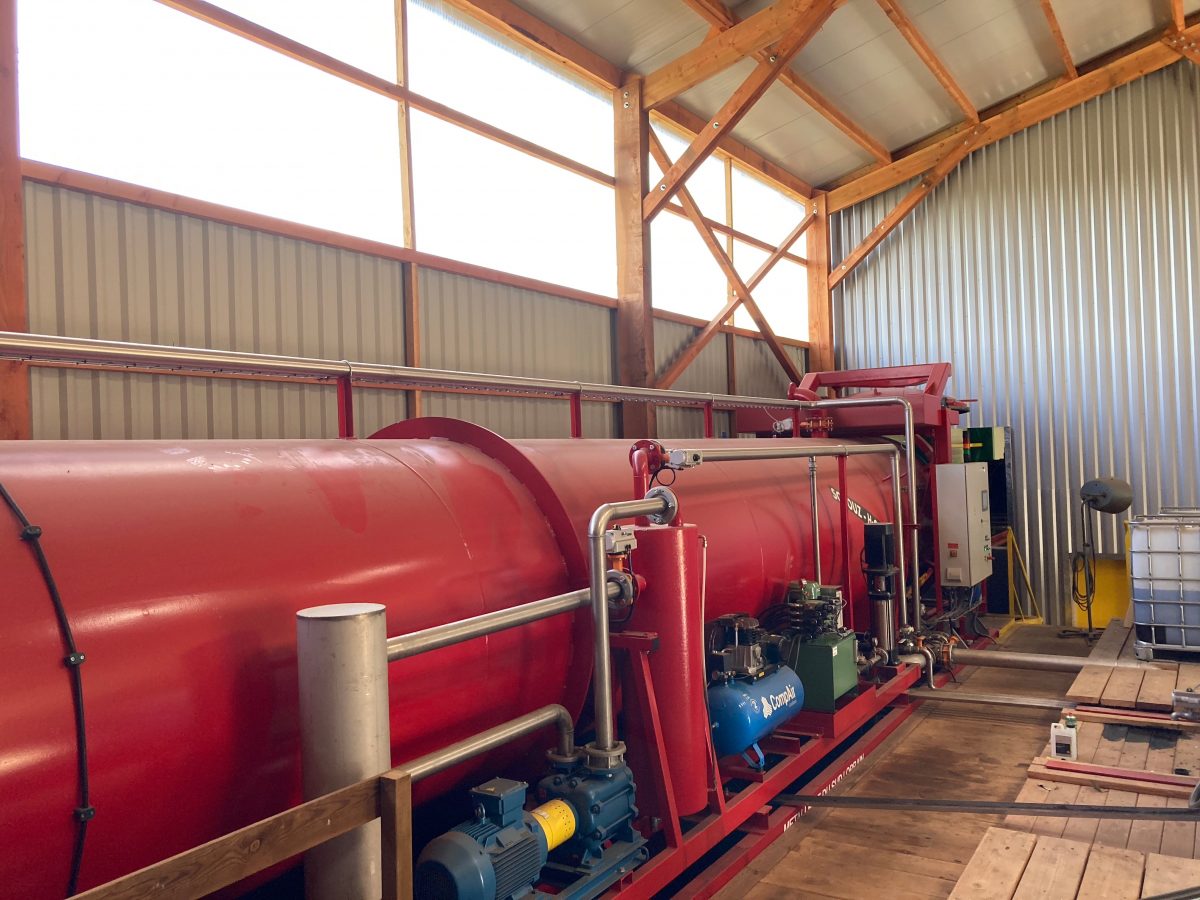
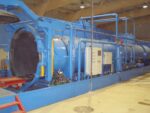
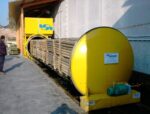
MSL/Timber Treatment Solutions designs and manufactures turnkey high-pressure wood treatment plants for the impregnation of wood intended for Use Class 3, Use Class 4, and a variety of other requirements.
These plants generally include:
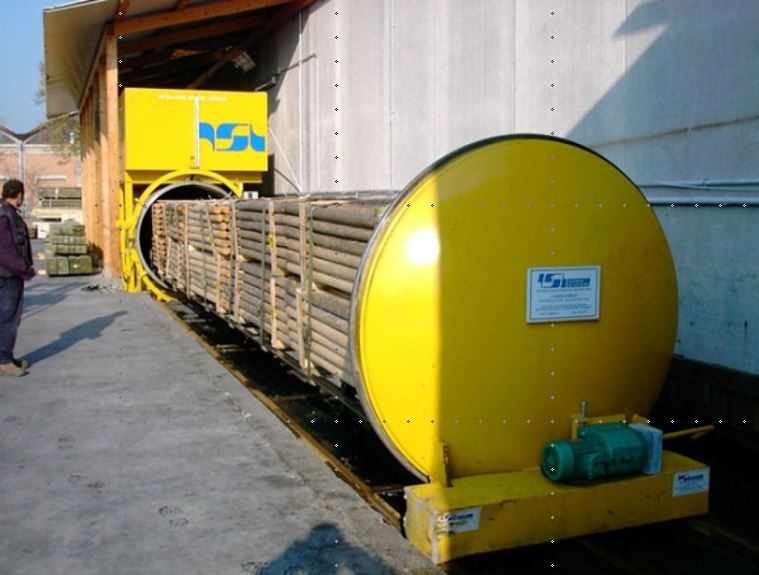
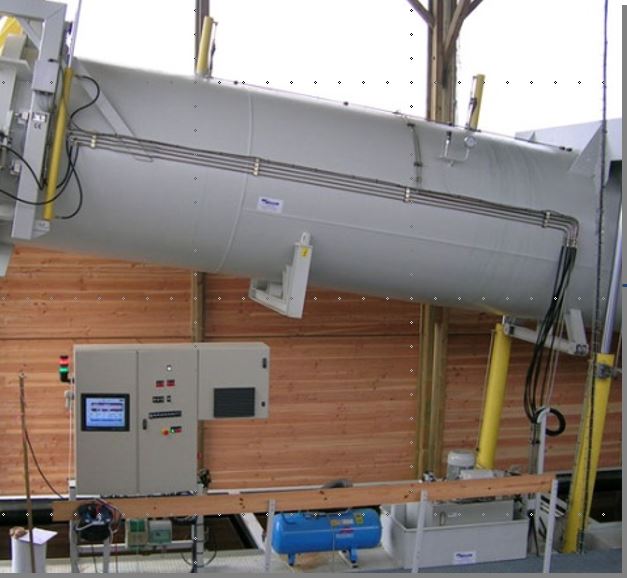
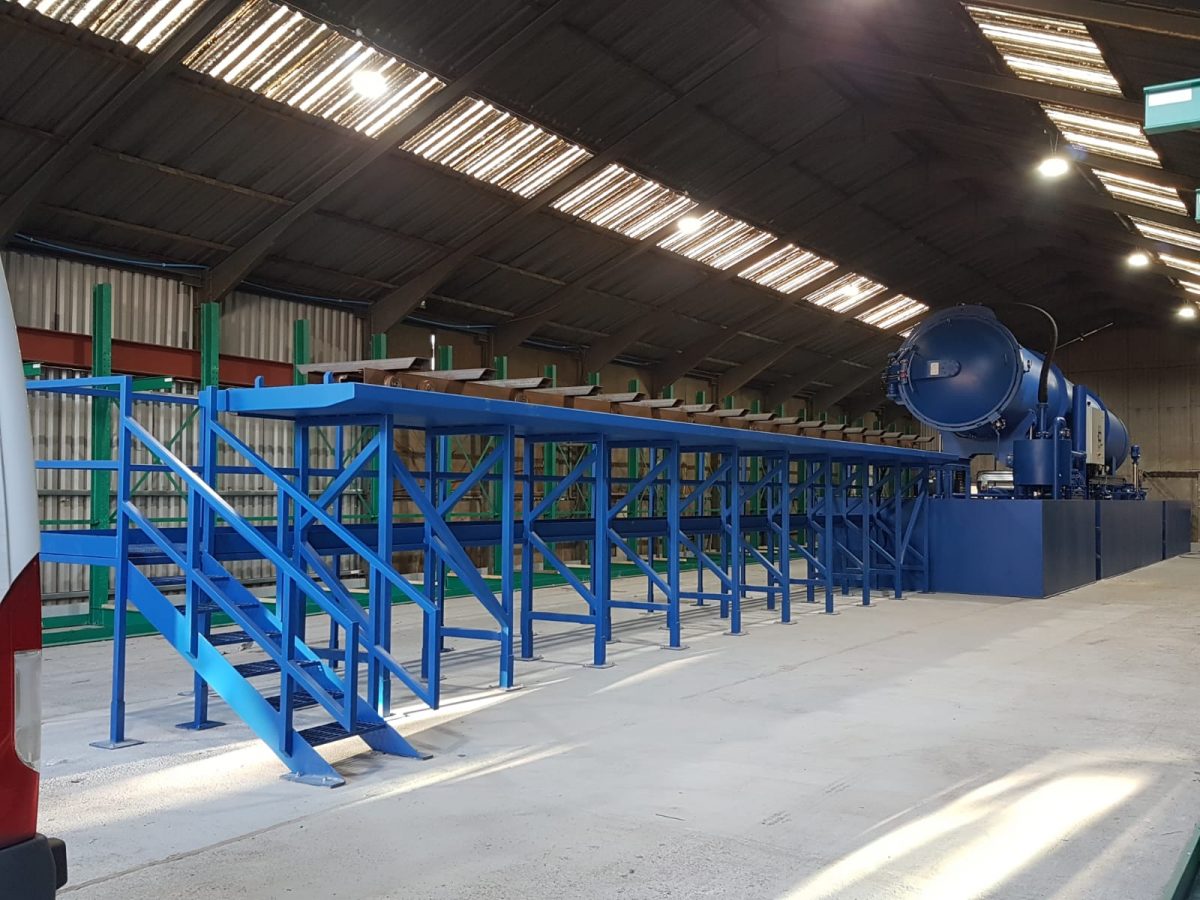
- an autoclave with quick-closing door(s)
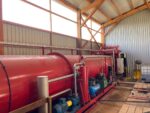
- one or more tanks for storing the treatment chemical
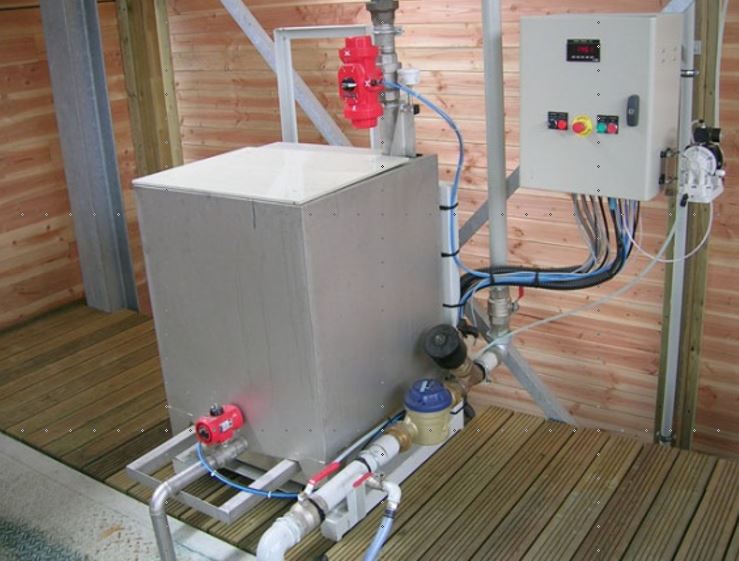
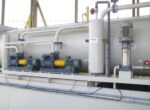
- a process skid, complete with all necessary pumps, valves, and piping
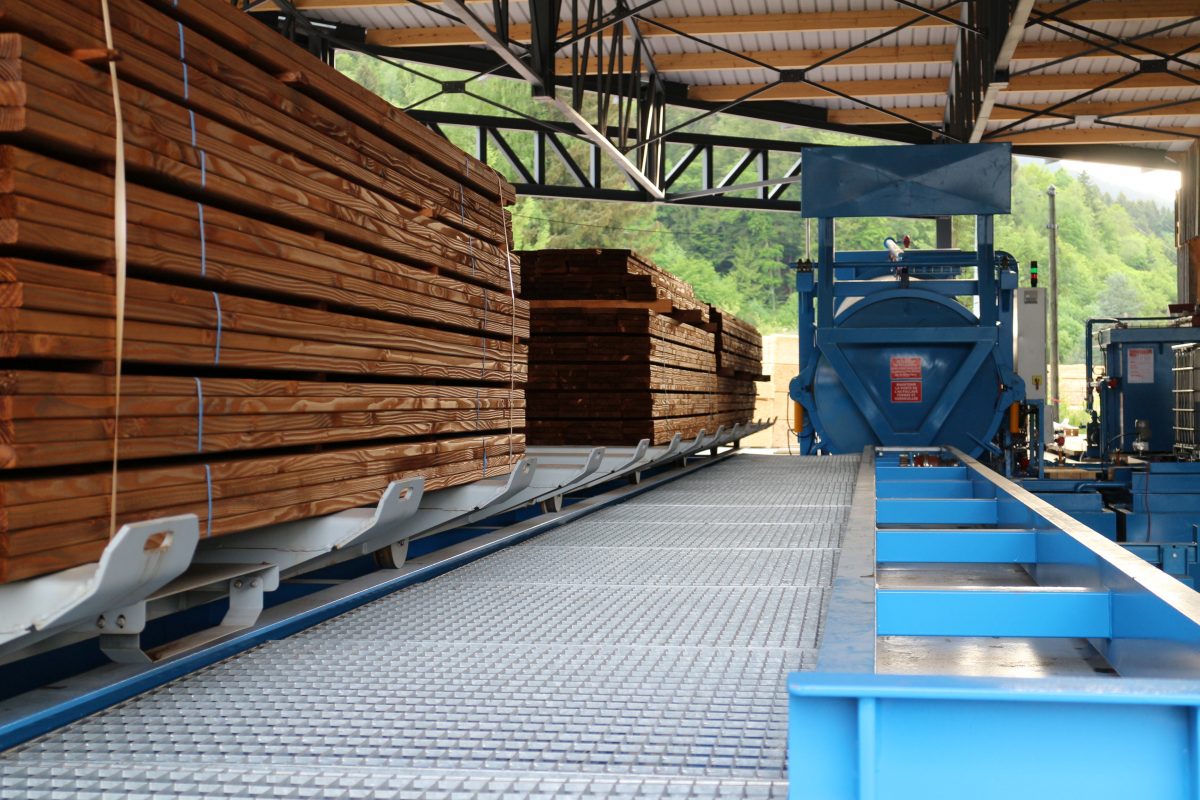
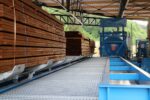
- a system for handling wooden packaging, ranging from fully manual to fully automated
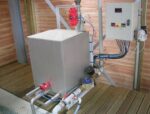
- a mixing/dosing system
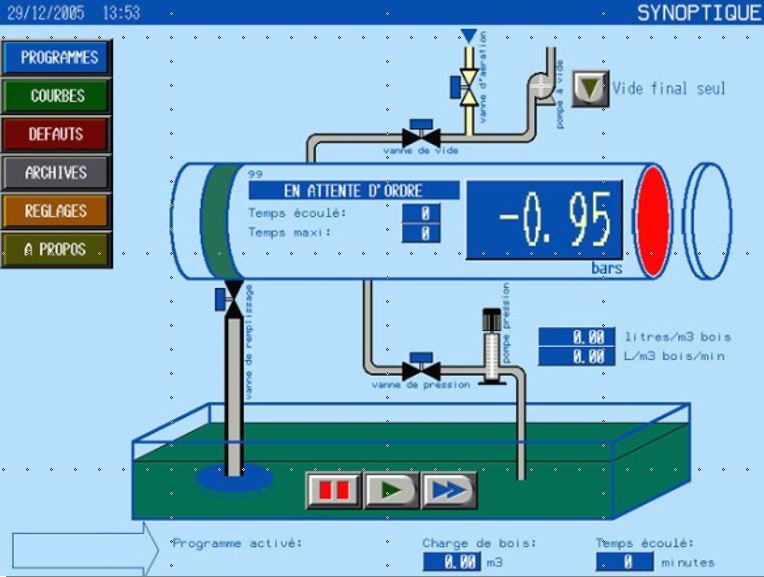
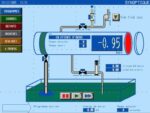
- a PC- or HMI-based control system running our latest plant operating system
There are many possible configurations, and our teams can recommend the high-pressure wood treatment system that best suits your needs and budget.
Plants can be designed for any of the processes required by the wood impregnation industry:
- Betel (full-cell) – this is the most common treatment for wood intended for Use Classes 3 and 4;
- Rueping (empty cell) – this process cycle is used for more specialized wood treatments, such as creosote and copper oil, where the impregnation rate needs to be reduced for highly absorbent wood species;
- Lowry;
- Special cycles using any combination of vacuum, air pressure, and fluid pressure phases, which can be designed upon request
WHEN TO USE HIGH-PRESSURE IMPREGNATION:
High-pressure treatment is widely used whenever deep impregnation of wood with a preservative is required.
- Sawn or round poles treated with water-based copper-based chemicals (UC3 / UC4);
- Poles, crossarms, poles treated with creosote or some of the newer chemicals that are replacing creosote (copper-based oils)
Construction lumber treated with a fire retardant; - For specific applications, such as impregnation with resin or furfural prior to curing.
Equipment designed to perform forced impregnation on wood, allowing for class III and IV treatments.
Uses either a pre-programmed Bethell cycle or custom programs adapted to your necessities.
Vaccum and pressurizing phases are reached rapidly using powerful pumps to save time between transition cycles.
Assisted loading is available with manual or automatic control.
Dosage and mixing plant for concentrated chemicals is also available in optional equipment.
Tilting the drum during the last vaccum reduces drainage time, increases chemical return quantity to the service tank and keeps the drainage area clean.
Manufactured in France by MSL/TTS